
Last updated on May 13, 2026
You have just landed at Beijing Capital International Airport. Your phone buzzes with notifications. Your new university is waiting. But how do you get there without speaking Mandarin or understanding the sprawling transit system? Take a deep breath. Getting around China is easier than you think. In fact, it might be more advanced than anywhere you have ever lived.
China’s public transport is the envy of the world. It is fast, cheap, and almost entirely cashless. Here is everything you need to navigate the Middle Kingdom like a local.
The Digital Keys: Maps and Payment
Before you board a single bus, you need two things on your phone: a map and a wallet.
Mapping Apps are non-negotiable. If you have an iPhone, good news: Apple Maps works seamlessly in China. For Android users, do not panic. Alipay has a built-in “Plan Routine” feature that guides you step by step. Open Alipay, tap “Transport,” then “Plan Routine,” enter your destination, and the map appears instantly. If you read some Chinese characters, Gaode Map (AutoNavi) offers real-time traffic and public transport data, making it the most powerful tool for daily commutes.
Mobile Payment is your ticket to ride. Forget paper money for fares. Alipay and WeChat Pay dominate the transportation landscape. You will scan QR codes to enter subway stations, board buses, and even unlock shared bikes. Set these up before you leave the airport. Without them, getting around becomes unnecessarily difficult.
Pro Tip: Download offline English metro maps for major cities. When you are underground without signal, these maps are lifesavers.
The Subway: Your Urban Backbone
Every major Chinese city has a modern, expanding subway system. It is the fastest way to beat traffic.
Fares are calculated by distance but are incredibly cheap. A typical cross-city trip costs between 2 and 6 RMB (roughly 30 to 90 cents). Payment is instant. Just open your Alipay transport code, hold it over the scanner at the gate, and walk through.
Stations are bilingual. Signs and announcements are in both Chinese and English. The trains are clean, air-conditioned, and frequent. During rush hour, trains arrive every two to three minutes. If you miss one, the next is seconds away.
A quick note on etiquette: let passengers exit before you board. Form queues at the platform edges. And offer your seat to elderly, pregnant, or disabled passengers. These small gestures are noticed and appreciated.
Buses and Bikes: The Short Hop Solution
For destinations not on the subway line, buses and shared bikes fill the gaps perfectly.
Public Buses are the cheapest option, usually just 1 or 2 RMB per ride. Use your same Alipay transport code to tap on and off. Buses can be crowded and slower than the subway, but they offer views of the city you miss underground. Keep an eye on your map to know when to get off, as announcements are sometimes only in Chinese.
Shared Bikes are everywhere. Meituan and Hellobike are the dominant brands. They are ideal for trips under three kilometers. Scan the QR code on the bike with the respective app, and it unlocks instantly. Rides cost about 1.5 RMB per 30 minutes. Always park in designated white bike lanes. Parking outside these zones incurs a fee. Never leave bikes blocking sidewalks or entrances.
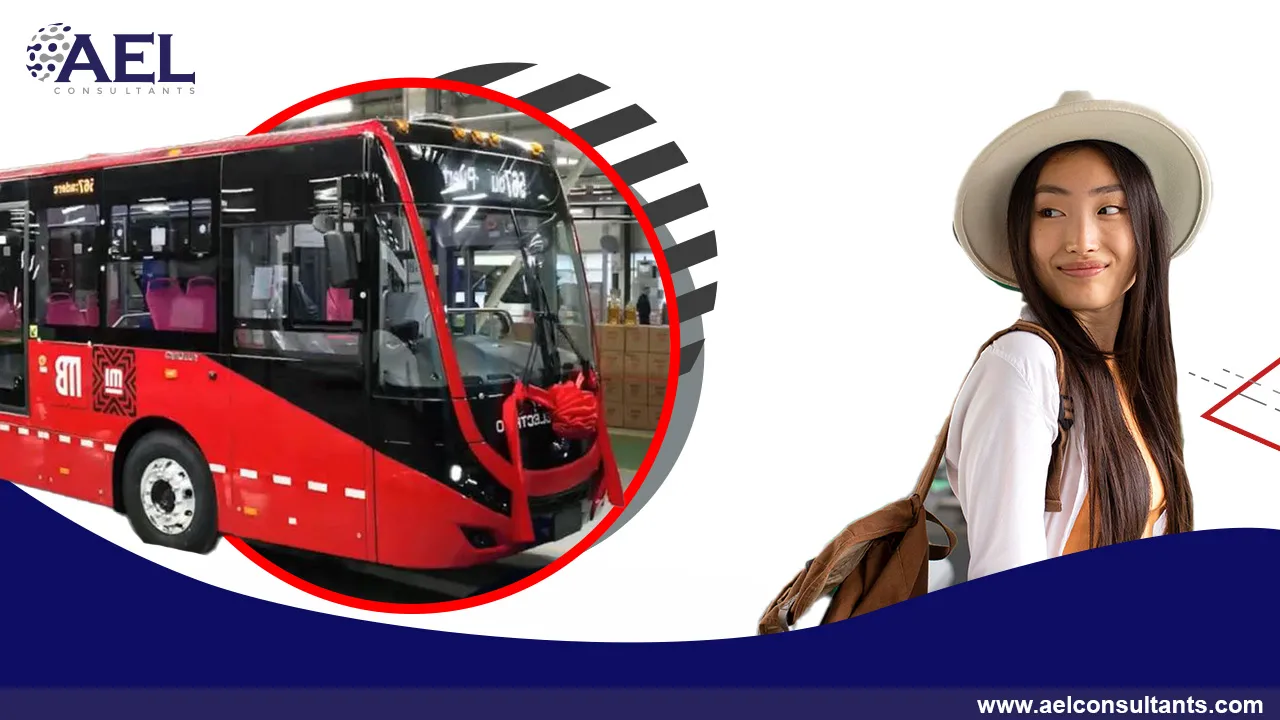
City Buses in China are increasingly using new energy vehicles (electric), which are quiet and smooth. To save money, consider applying for a student transport card (IC card). These often offer 50% discounts for students, though policies vary by city.
High-Speed Trains: Exploring China on a Budget
Weekends and holidays are your time to explore. China’s high-speed rail network connects every corner of the country.
The Student Discount (Updated for 2026) is your best friend. The government recently enhanced benefits for students. As a university student, you are entitled to discounted tickets between your home and your university city. For 2026, graduating students received an additional perk: two extra one-way tickets to attend job interviews in other cities.
To buy tickets, using the official Trip.com app is useful. You must verify your student status at the station ticket window with your student ID card before your first trip. Once verified, you can book discounted tickets online.
Tickets for popular routes sell out fast, especially before the Lunar New Year and National Day holidays. Book at least two weeks in advance during these peak travel seasons.
Ride-Hailing and Taxis
Sometimes, you just need a door-to-door solution.
Taxis are abundant and metered. Starting fares are low, usually 10 to 14 RMB. Have your destination written in Chinese characters to show the driver. Pay with Alipay or WeChat by scanning their QR code.
Ride-Hailing Apps are more convenient. Didi Chuxing is the local equivalent of Uber. The app has an English version. You set your pickup and drop-off locations, see the price upfront, and pay automatically through the app. This removes the language barrier entirely.
Navigating the First Week
Your first week will feel overwhelming. That is normal. Here is a simple checklist:
Day One: Set up Alipay and WeChat Pay. Connect your international credit card. This is non-negotiable.
Day Two: Download Gaode Map (or test Apple Maps) and an offline metro map app.
Day Three: Take one bus or subway line to nowhere in particular. Get lost. Find your way back. This removes the fear of missing your stop.
Day Four: Rent a shared bike and ride to a local market. Learn how the locking and parking system works.
Day Five: Plan a weekend trip using the 12306 app. Even if you do not buy the ticket, practice searching for routes and checking prices.
Safety Note: China is exceptionally safe for public transport. The government prioritizes student travel safety. However, always be aware of your belongings in crowded stations. Keep your phone and wallet in front pockets or zipped bags.
The Golden Rules of Getting Around
Rule One: Never assume the last train is late. Subways typically stop running around 11:00 PM. Buses stop earlier. Have a backup ride-hailing plan for late nights.
Rule Two: Your phone battery is sacred. Carry a power bank. You will use your phone for maps, payment, and tickets constantly.
Rule Three: Patience. Lines will be long. Trains will be packed. People will push gently. Do not take it personally. It is just the flow of the city.
You are not just learning to ride a bus. You are learning to move through a new rhythm of life. Every successful trip, even the confusing ones, is a small victory. Soon, you will navigate this system better than the locals. And that feeling? That is the feeling of belonging.